
Each month Rod does an interview on FaithFM radio's Breakfast Show where he talks about all things country living. This past week the topic was the blessings and cursings of having wildlife in our lives. We love living in nature and having the sights and sounds, and the real and visceral benefits to mind and body of having animals around us.
The iconic Australians that we love - kangaroo, wallaby, possum, bandicoot, cockatoo, eagles, ducks, bowerbirds, etc - are all so beautiful, but can also be oh so destructive.
We know the curse of vermin on the Australian environment - rabbits, deer, mice, rats, cats - but our native critters can be just as destructive. And the closer to a patch of bush we live, the more destructive they can be to our hard won garden and orchard assets.
If you garden, chances are you are being attacked too. Here are a few short tips from our experience:
- Fence first. If you are starting a new garden, fence it before you plant anything. A standard height pig netting fence will successfully keep kangaroos out of your garden if they don't know anything tasty is growing on the other side. But if they get a taste for your veggies, a 2m high fence will not keep them out.
- Be ready for known threats. Every winter/early spring the bower birds that live in the bush near our garden get hungry, and come to dine on our choi, broccoli, green lettuce (they do not think red lettuce is food), etc. We should be ready for the first sign of them sneaking into our garden, and cover all susceptible crops with insect/bird nets.
- Early warning signs. As you are moving about your garden, keep an eye out for insect pests. A few here and there is nothing to be alarmed at, but if you see numbers increasing over time, act.
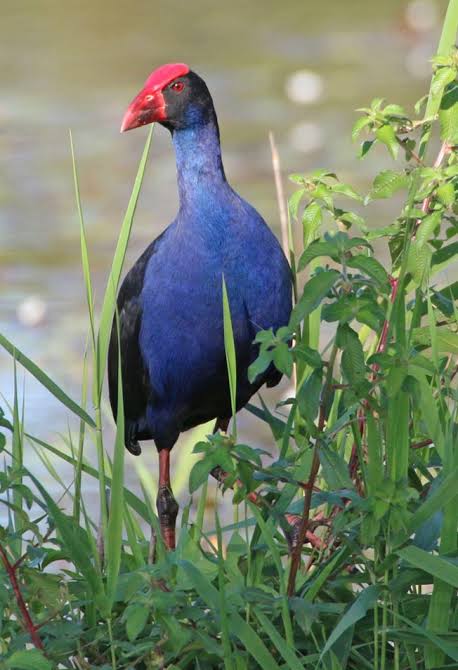
- Watch your potential enemies. Keep an eye on animals that live in or near your garden, even if they seem harmless. We have had waterhens living and breeding in our garden for a year or two, and other than stepping on a few seedlings here and there, they seemed harmless. Until a few weeks ago, when we noticed them stripping corn cobs to get at the sweet kernels, and more recently pecking at and destroying broccoli heads. Sorry guys, we will need to move you on.
- Learn their ways. Watch to study the habits of critters so you can better manage the risks of having them around. Ducks are an ever present threat to our leafy crops. We noticed they always fly into the frog dam below the garden and hide in there until no-one is around, then start their marauding. So whenever we walked past the dam, we checked if they were there, and shoo'd them off. Now we rarely see them.
- Floppy fences. We do not have a deer problem in our garden, but our sympathies are with those of you that do. When visiting friends in Tennessee I saw their effective use of deer fencing where the top metre or so was stiff enough to stand upright ordinarily, but would become floppy and give way when the deer put their forefeet on it. This freaked the deer out, and they would go looking for another restaurant.
- Keep learning. There are many novel ways to manage critters in your environment, with new ones being invented all the time. Don't think the method you have been using unsuccessfully is your only option. Ask your neighbours what works for them, talk to experienced gardeners or orchardists, search for solutions online, and always be prepared to accept the losses that come with living with nature.